Welcome to Hubei Magicleaf Technology Co., Ltd.
Mobile: +8618566295225
E-mail: tina@magicleafbags.com

Mobile: +8618566295225
E-mail: tina@magicleafbags.com
When sourcing a key fob shielding pouch, box or signal blocking bag for an automotive accessory project, buyers should begin with a clear procurement specification. A general request for “relay attack protection” is not enough to define a usable product, because car key systems, key fob sizes, storage habits and test conditions can vary significantly.
A well-prepared specification helps buyers, product managers and private-label teams define the intended use, target key fob models, pouch fit, closure workflow, materials, branding and sample-test requirements before bulk production is considered.
This checklist is designed for automotive accessory projects that need a structured procurement process. It does not guarantee that any product will prevent vehicle theft or work identically with every vehicle system. Instead, it helps buyers create a product requirement that can be sampled, tested and approved against the intended use case.
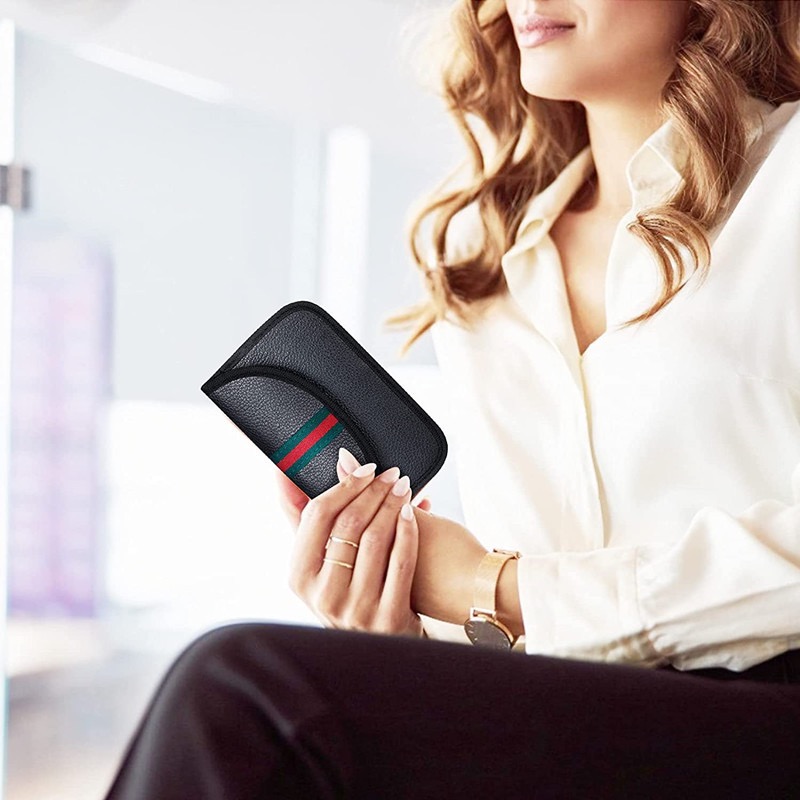
Before selecting a pouch, box or other storage format, define what users are expected to do with the product. The intended storage workflow affects the product format, size, closure method and acceptance process.
For example, a compact pouch may be intended for a driver carrying one key fob during travel or daily use. A structured box may be intended for a household, office, dealership or reception area where several keys are stored in one fixed location.
These questions help turn a broad security request into a product brief that a supplier can evaluate. Without them, a buyer may approve a pouch that looks suitable but does not fit the intended fob or support the intended closure workflow.
A car key fob shielding product is typically evaluated as a closed storage enclosure. The key fob must fit inside the intended shielding compartment, and the closure must be used correctly. Product performance can vary according to key fob model, vehicle system, local signal conditions, pouch construction, closure condition and the actual way users store the key.
For procurement documents, avoid broad claims such as “guaranteed theft prevention,” “works for all vehicles” or “blocks every signal under all conditions.” Instead, define the buyer’s expected device types, use conditions and sample-test criteria.
Good procurement language focuses on what the buyer will actually verify. For example:
This approach provides a more useful basis for product development than an unqualified statement about every possible vehicle, key fob or environment.
A procurement project should identify the key fob models that represent the intended market. Different car brands and vehicle models can use different key fob shapes, dimensions and keyless-entry functions. A pouch that fits a compact fob may not close correctly around a larger smart key with a protective shell or attached mechanical key.
Buyers do not need to test every vehicle on the market. However, they should select a practical sample group that reflects their target customer, sales region and planned product size.
For a detailed method of measuring fob dimensions and allowing space for complete closure, read the key fob pouch size and closure guide.
The selected format should match the way users will handle the product. A portable pouch and a fixed box may both be used for key fob storage, but they require different product specifications and different daily routines.
A pouch project should define the target internal fit, pouch dimensions, closure style, exterior material, key-ring clearance and portability requirements. The closure should remain practical when the actual key fob and its normal accessories are inside.
Buyers may also need to decide whether the pouch will be carried in a pocket, handbag, vehicle compartment, travel bag or other location. This can affect material choice, surface durability, logo placement and packing format.
A fixed-storage box project should define the required capacity, internal layout, lid closure, external finish and intended placement. If more than one key fob will be stored, buyers should test the full capacity with representative devices, not just one fob.
For a format comparison before selecting a product direction, see how to choose between a car key Faraday pouch and Faraday box.
Fit and closure are core requirements for a key fob shielding project. A key fob that enters the pouch but pushes against the closure edge may not be suitable for the selected format. The product should be evaluated using the complete daily-carry configuration, including protective cases, key rings and attached keys where applicable.
Buyers should define how the product must close in actual use. This might include flap overlap, zipper direction, hook-and-loop contact area, lid alignment or another project-specific closure condition.
The test should not rely on a pouch that is only partly closed. The key fob should be fully stored inside the intended compartment, and the closure should be completed in the same way a normal user would operate it.
A sample test protocol gives buyers and suppliers a shared method for evaluating the intended product. It should be practical, repeatable and based on the device models and use conditions relevant to the project.
The protocol does not need to be overly complex. Its purpose is to document what was tested, how the product was closed, which vehicle function was observed and whether the result met the buyer’s requirement.
For a practical testing reference, see Magicleaf’s practical key fob signal-blocking test guidance. The testing workflow should be adapted to the product format and the buyer’s intended devices.
| Requirement | Buyer Decision | Information to Provide | Acceptance Method |
|---|---|---|---|
| Target Product Format | Portable pouch, fixed storage box or another closed storage format. | Intended use location, user workflow and target sales channel. | Review product drawing, sample structure and intended use scenario. |
| Representative Key Fobs | Select the key fob types used for sample evaluation. | Vehicle brand, model, fob images and physical samples where available. | Test fit and closure with each selected representative fob. |
| Internal Fit | Define maximum fob size and accessory configuration. | Length, width, thickness, case, key ring and mechanical-key details. | Confirm the fob fits without crowding the closure area. |
| Closure Method | Choose flap, zipper, hook-and-loop, lid or another closure design. | Preferred opening direction, overlap requirement and user-handling expectation. | Open and close the sample repeatedly with the actual fob inside. |
| Buyer-Defined Test | Define which vehicle functions will be evaluated. | Vehicle model, key fob model, test location, distance and test sequence. | Record results before closure, with full closure and after removal. |
| Exterior Material | Select PU, polyester, fabric or another project-approved material direction. | Material reference, color reference, surface feel and durability needs. | Approve material swatch and completed sample appearance. |
| Branding | Choose logo method and position. | Artwork file, logo size, color requirements and placement reference. | Approve artwork placement on the physical sample. |
| Packaging | Choose standard, retail, gift or buyer-specified packing. | Packaging artwork, barcode, insert card, carton mark and packing quantity. | Review packed sample and shipping-carton details. |
| Approved Reference | Keep a confirmed physical sample and written specification. | Final product dimensions, materials, closure, logo, packing and test record. | Use approved sample and document for production and inspection reference. |
Material, branding and packaging should be decided after the basic fit and closure direction is confirmed. A strong exterior appearance does not replace correct product fit, but it remains important for retail presentation, private-label projects and repeated daily handling.
Buyers may specify an exterior material direction such as PU, polyester, fabric or another approved material. The selected exterior should suit the intended use environment, desired brand appearance, expected handling frequency and packing method.
When evaluating materials, record the chosen color, surface texture, logo method, stitching appearance and any special requirements for cleaning, abrasion resistance or retail presentation.
Define logo artwork, placement, color and application method before sampling. Depending on the construction and material, a project may use printing, embossing, labels, patches or another suitable branding method.
Logo placement should not interfere with the closure, structural seams or the practical storage area. Approve it on the physical sample rather than only through a flat artwork file.
Packaging should match the sales channel. A basic bulk project may need simple protective packing, while a retail or gift project may need an insert card, barcode label, custom carton, instruction sheet or branded presentation package.
Include packing quantity, carton marks, destination country and any compliance or labeling requirements in the RFQ. Review a packed sample before final bulk approval.
Identify vehicle and key fob
Select representative vehicle and key fob models for the target market.
Define the storage workflow
Confirm whether users need portable carry, fixed storage, single-fob capacity or multi-fob capacity.
Confirm dimensions and accessories
Measure the fob, protective case, key ring and any attached mechanical key.
Create a physical sample
Confirm product size, closure structure, material direction, logo and packing concept.
Test the fully closed product
Use the agreed vehicle and key fob models, then record the closure condition and observed result.
Approve or revise the specification
Approve the sample as the production reference or revise size, closure, material, layout or packing before bulk production.
Example procurement scenario: A private-label automotive accessory brand plans to launch a compact key fob shielding pouch for online and dealership sales. The product must suit common key fob styles in the target market, support the brand’s logo and fit into a retail-ready package.
The buyer begins by selecting representative key fob models and recording their dimensions with common protective cases and key rings. The buyer decides that the product is intended for one key fob at a time and will be carried in a handbag, pocket or vehicle storage compartment.
During sample development, the buyer confirms pouch dimensions, closure direction, exterior material, logo placement and packaging artwork. The buyer then performs the agreed practical test with each representative fob, using a fully closed pouch and a documented test sequence.
After fit, closure, appearance and buyer-defined test results are approved, the sample and written specification become the production reference. If the product structure, materials or closure changes later, the buyer repeats the relevant sample evaluation before bulk production continues.
Include the intended product format, target key fob dimensions, representative vehicle or fob models, required capacity, closure direction, material preference, logo artwork, packaging requirements and buyer-defined sample-test method.
Usually, buyers should test a practical group of representative vehicle and key fob models that reflect the target market. The sample group and test conditions should be documented in the project specification.
The product should be evaluated in its intended closed-storage condition. If the key fob prevents full closure or sits against an open edge, the sample may not reflect normal product use.
No. Key fobs vary in length, width, thickness, shape and accessory configuration. Buyers should confirm fit with their representative key fobs and request a revised size when the standard format cannot close comfortably.
If dimensions, closure construction, materials or shielding-layer direction change, review the revised sample and repeat the relevant buyer-defined tests before bulk production is approved.
No. A shielding pouch should not be presented as a guarantee against vehicle theft. Buyers should define the intended use, test representative key fobs and use the product as part of their own broader product, security and user-education approach.
A successful key fob protection project begins with a clear specification, not only a product image or general material claim. Define the target vehicle and key fob types, intended storage workflow, physical fit, closure method, test conditions, exterior material, branding and packaging before approving a sample.
For a compact automotive accessory project, review Magicleaf’s signal blocking bag for car key fobs. Confirm device fit, complete closure and buyer-defined sample requirements before bulk production approval.