Welcome to Hubei Magicleaf Technology Co., Ltd.
Mobile: +8618566295225
E-mail: tina@magicleafbags.com

Mobile: +8618566295225
E-mail: tina@magicleafbags.com
For bulk buyers, a tactical waist bag is not just a compact storage item. It is a product that has to balance durability, carrying comfort, layout efficiency, and customization flexibility across repeated use. When the bag is sourced for retail, field operations, travel programs, or branded distribution, the main question is not whether it looks tactical, but whether the structure can support the intended application and hold up in production at scale.
That is why procurement teams usually look beyond appearance. A tactical waist bag can be used as an everyday carry accessory, an outdoor utility pouch, or part of a broader tactical gear line, but each use case creates different expectations for material weight, zipper quality, strap stability, and compartment layout. For OEM buyers, those differences matter because they affect product returns, brand perception, and repeat order performance.
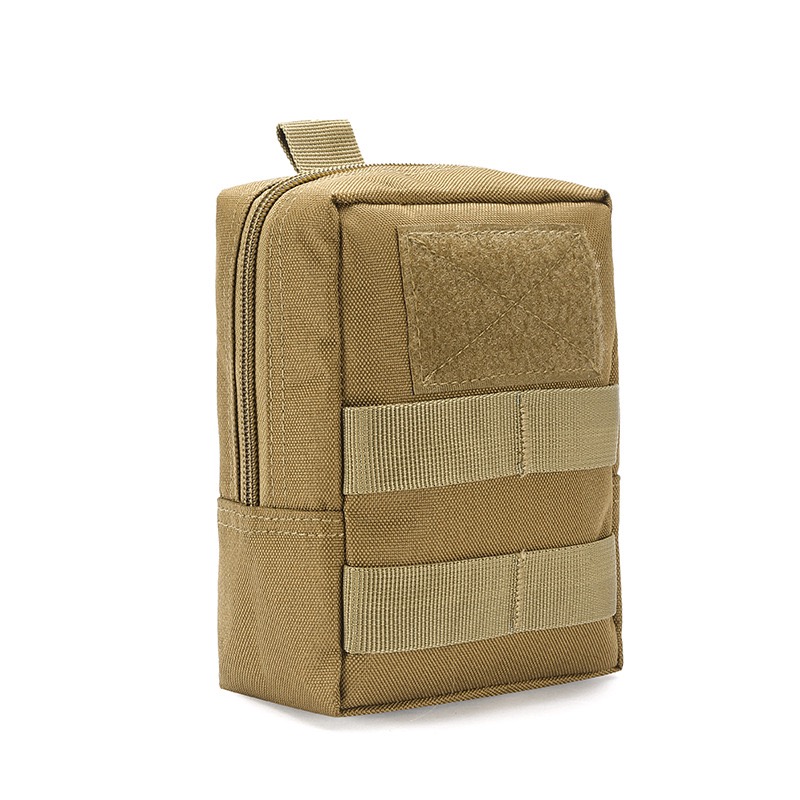
The first step in sourcing a tactical waist bag is to define the use case. A model intended for hiking or travel may prioritize light weight and comfortable carry, while a version for field use may require stronger fabric, reinforced stitching, and a more structured front panel. Buyers should also confirm whether the bag will be sold as a standalone item or as part of a tactical series, because that affects the visual style and the type of accessories that need to match.
Material specification is the next major decision. Common tactical waist bag materials include nylon, Oxford fabric, polyester blends, and coated fabrics. The choice should be based on the expected wear level, water resistance needs, and target price. A buyer sourcing for a premium retail channel may prefer heavier fabric and stronger hardware, while a promotional or entry-level line may use a lighter build with simpler finishing.
Storage layout is one of the most important reasons buyers choose a tactical waist bag instead of a standard waist pack. Tactical products usually offer multiple compartments, zipper pockets, and structured sections that make it easier to separate tools, phones, keys, documents, or small field items. For end users, this improves access. For buyers, it creates a clearer product story and a stronger functional difference from casual fashion bags.
MOLLE compatibility can also be a deciding factor. When MOLLE webbing is included, the waist bag becomes more modular and more suitable for users who need accessory attachment or a more technical tactical look. For bulk orders, the spacing, stitching, and placement of the webbing should be reviewed early in the sample process, because layout changes are harder to manage after production has started.
| Feature | Tactical Waist Bag | Regular Waist Pack |
|---|---|---|
| Material | Heavy-duty nylon, Oxford fabric, coated materials | Lightweight polyester or basic nylon |
| Structure | Reinforced, compartment-focused, modular | Simple structure, limited layout options |
| MOLLE Support | Often included for accessory expansion | Usually not included |
| Durability | Designed for repeated outdoor or field use | Better for casual daily carry |
| OEM Flexibility | Color, logo, pocket layout, strap design, packaging | Usually limited customization |
| Typical Buyers | Outdoor brands, tactical suppliers, distributors | Retail fashion channels, general consumers |
In OEM sourcing, buyers should confirm more than color and logo placement. A proper tactical waist bag development brief should include dimensions, fabric choice, zipper type, strap width, buckle style, pocket count, and packaging requirements. If the buyer does not define these details early, the factory may produce a sample that looks acceptable but does not perform well in mass production or distribution.
Bulk buyers should also pay attention to consistency across batches. A tactical waist bag that works as a prototype can still fail in large orders if the factory cannot repeat seam reinforcement, hardware positioning, and overall panel alignment with enough precision. That is why sample approval should focus on repeatability, not just appearance.
An outdoor gear distributor in Western Europe needed a tactical waist bag for a mixed retail and training program. The buyer wanted a product that could hold compact tools and personal items while still presenting a rugged, technical look on the shelf.
Challenge: The initial concept required a bag with stable carry performance, a clear MOLLE-style visual identity, and enough internal organization to support both retail customers and field users.
Solution: Hubei Magicleaf Technology Co., Ltd. developed a tactical waist bag specification with reinforced stitching, practical pocket layout, and OEM-ready branding options. The sample process focused on structure, carrying comfort, and production consistency rather than cosmetic features alone.
Result: The buyer was able to launch a tactical waist bag line that matched the intended market positioning and supported repeat orders without needing major structural changes.
What should a buyer confirm before ordering tactical waist bags in bulk?
Buyers should confirm fabric, zipper grade, stitching reinforcement, MOLLE layout, strap quality, and logo placement before production starts.
Is MOLLE necessary for every tactical waist bag?
No. MOLLE is useful when modular attachment or a tactical appearance is important, but some programs only need a durable and compact waist bag.
Can tactical waist bags be customized for different markets?
Yes. OEM projects often include logo application, color changes, pocket adjustments, packaging, and size refinement.
How does a tactical waist bag differ from a casual waist pack?
A tactical waist bag usually has stronger materials, more structured storage, and a design intended for demanding or utility-focused use.
What is the biggest risk in tactical waist bag sourcing?
The biggest risk is approving a sample that cannot be reproduced consistently in bulk production.
Hubei Magicleaf Technology Co., Ltd. is a custom bag manufacturer with more than 3,000 square meters of factory space, 50 skilled workers, and 100 sewing machines. The company produces tactical waist bags alongside Faraday bags, RFID shielding wallets, RFID shielding key pouches, laptop bags, waterproof and fireproof bags, outdoor travel and hiking backpacks, and computer inner bag series, which gives it a broad manufacturing base across related product categories.
For tactical waist bag buyers, that matters because OEM projects often need a supplier that can handle structure control, repeat sampling, and export-oriented order communication. Magicleaf mainly exports to the USA, Japan, and Germany, supports flexible customization, and typically replies to inquiries within 12 hours. For buyers comparing tactical waist bag suppliers in China, those capabilities are directly relevant to sourcing stability and project management.
G. O. 930 Body Armor
https://www.cityoffrederickmd.gov/DocumentCenter/View/6530/930---Body-Armor
Zippers 101: Get the Most Out of Your Gear
https://www.mountaineers.org/blog/zippers-101-get-the-most-out-of-your-gear
Optimizing the MOLLE for the Female Soldier
https://digital.wpi.edu/downloads/rx913r47n