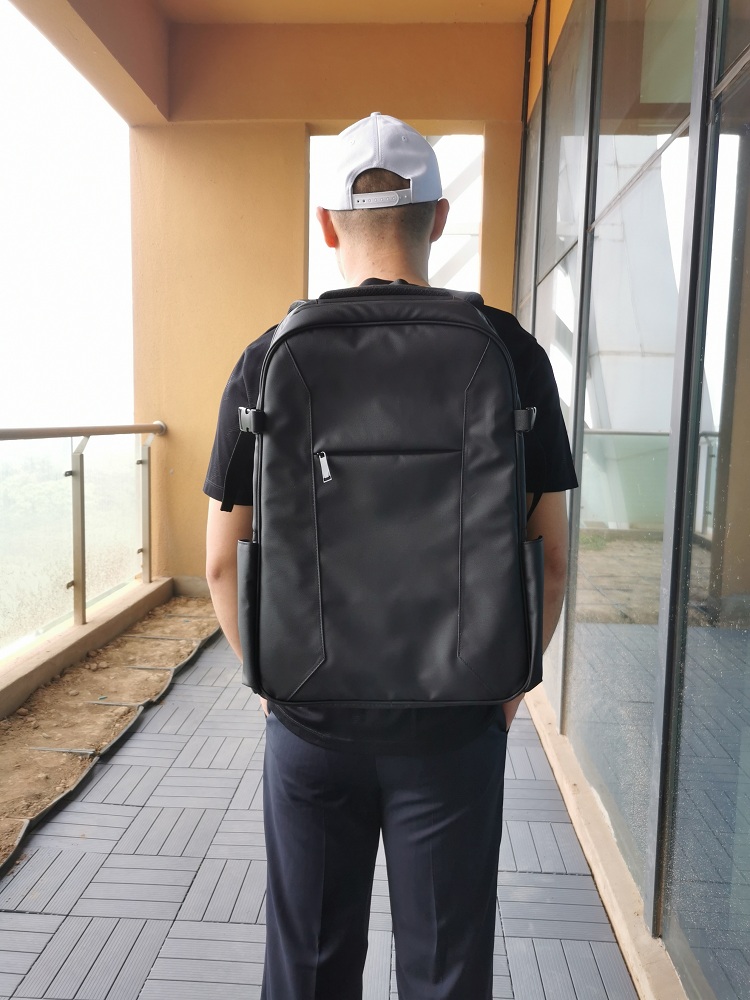
Why Choose a Custom Backpack
Buyers usually choose a custom backpack when they need specific materials, logo placement, compartments, or market positioning. In this category, the Faraday backpack adds an extra layer of value by helping protect devices from unwanted wireless signals while still keeping the familiar backpack format. That makes it suitable for travel, office use, privacy protection, and special procurement projects.
Featured Product
The Signal Blocking Faraday Backpack is the main product in this category. It is suitable for buyers who want a backpack with functional signal-blocking storage and OEM customization options for branding, color, material, and packaging. For bulk buyers, the product can serve as both a functional item and a private label project.
Custom Backpack vs Generic Backpack
|
Aspect
|
Custom Backpack
|
Generic Backpack
|
|
Purpose
|
Built for a specific use case, brand, or project requirement
|
Made for general use with standard specifications
|
|
Design
|
Logo, color, structure, and packaging can be adjusted
|
Usually fixed in style and appearance
|
|
Function
|
Can include special features such as signal-blocking protection
|
Typically focuses on basic carrying function
|
|
Buyer Type
|
Suitable for B2B buyers, private label projects, and corporate procurement
|
Suitable for general retail or standard distribution
|
|
Customization Depth
|
Higher, depending on the project and production requirements
|
Limited or no customization
|
What Buyers Should Consider
-
Shielding performance and whether test documentation is available.
-
Backpack weight, internal structure, and carrying comfort after adding shielding layers.
-
Customization options such as logo, color, material, size, and packaging.
-
Order size, sample approval, and production timeline.
-
Whether the product is intended for corporate procurement, retail resale, or security-focused use.
OEM Customization
Magicleaf supports custom logo, color, material, size, structure, and packaging for custom Faraday backpack projects. If a buyer needs special compartments, development of a new layout, or specific branding details, sample confirmation can be arranged before bulk production. The customization process is suitable for private label programs and corporate orders.
Factory Background
Hubei Magicleaf Technology Co., Ltd. operates a factory of more than 3,000 square meters with 50 skilled workers and 100 sewing machines. The company specializes in custom-made bags and exports to the USA, Japan, and Germany. Its bag range includes signal-blocking products, RFID shielding wallets, laptop bags, waterproof and fireproof bags, and outdoor backpacks, which supports the production needs of custom Faraday backpack projects.
FAQ
Does the custom Faraday backpack have shielding test documentation?
Magicleaf can provide shielding-related information for qualified buyers. For project evaluation, buyers can request the available test documentation and product details.
Will the shielding layer make the backpack much heavier?
The shielding layer adds functional material to the backpack, so the final weight depends on the design and structure. Buyers should confirm the target usage and size before sampling.
Can the shielding structure be customized?
Yes. Depending on the project, structure and layout adjustments can be discussed, including the way the shielding area is integrated into the backpack.
Is this backpack suitable for corporate procurement?
Yes. It is suitable for corporate buyers, distributors, and private label projects that need a functional backpack with privacy protection value.
What information is needed for a quotation?
Buyers usually need to provide product type, quantity, size, customization details, logo file, and packaging requirements.
What materials are used?
The material structure depends on the project requirements. Buyers can discuss the exterior fabric, lining, shielding layer, and packaging details based on the intended use and customization needs.
What sizes are available?
Available sizes depend on the backpack structure and project requirements. Buyers can request a specific size, or discuss the most suitable dimension based on target use, internal capacity, and branding needs.
For product inquiries, please share the target product type, quantity, customization requirements, logo file, and packing details to help prepare an accurate quotation. If samples are needed, sample lead time and sample fee terms can also be provided for reference.